Healing with Hearts and Paws
Animal-Assisted Therapy in Owasso, Oklahoma and the greater Tulsa area integrates the human-animal connection to support the work you do in counseling.
Current Status:
I currently have a therapy dog in training.
Full Animal-Assisted Therapy will resume once he consistently demonstrates the stability, and reliability required for clinical work. With your consent, the therapy dog in training may be present in your sessions.
Animal-Assisted Therapy
Animal-assisted therapy is structured, goal-oriented, and intentionally integrated into the therapeutic process. It does not replace traditional counseling, but supports regulation, engagement, and connection within the work you’re already doing. Animal-Assisted Therapy brings the unique relationship between humans and animals into the work.
Both research and experience indicate that the presence of a trained therapy animal can be useful in several ways:
• Emotional Support: Animals offer acceptance and comfort, which can reduce your feelings of isolation, stress, and anxiety.
• Stress Reduction: Interacting with animals can lower blood pressure and cortisol levels, promoting relaxation and a sense of calm. This can be harnessed as an additional source of support as you work through challenges.
• Improved Communication: Animals can encourage communication and trust, particularly if you struggle with social interaction or with wanting to come to therapy.
• Increased Motivation: The presence of an animal can increase motivation and engagement in therapy.
• Sensory Stimulation: Petting and interacting with animals provides sensory stimulation, which may be particularly beneficial if you have sensory processing difficulties.
In practice, this matters most when you’re dealing with things like:
• Anxiety
• Trauma and PTSD
• Challenges with trust
• Social anxiety
• Isolation
• Chronic illness
• Uncertainty about starting therapy
• Or if you’re just an animal person
Not everyone will need or want animal therapy, and that’s ok. Your therapy is always tailored to you, and nothing is done without your consent. If you’re not interested in animal-assisted therapy, any animals will remain crated during your session.
Frequently Asked Questions
Current Therapy Dog in Training
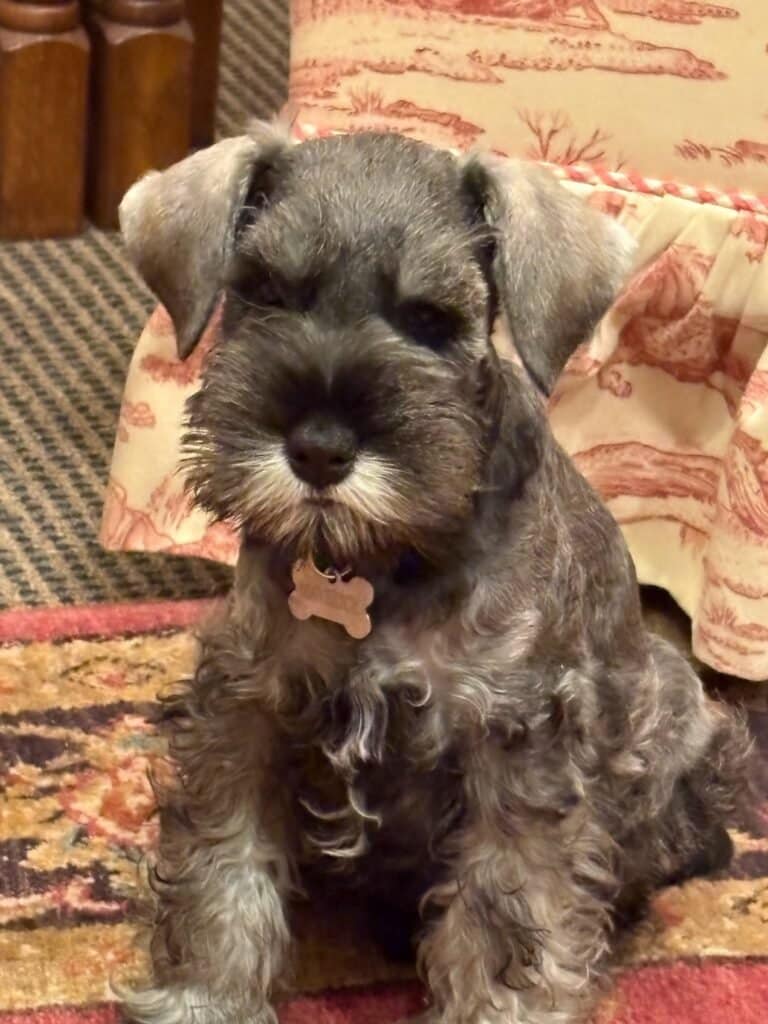
Maverick
Maverick is a Miniature Schnauzer puppy and current therapy dog in training.
Updates about his training and development will be shared here as he prepares for his future role as a therapy dog.
Sometimes hope has paws.
If you’re interested in incorporating Animal-Assisted Therapy into your work, click the “I’m Ready” button and choose “Schedule Appointment” to get started today.
Animal-Assisted Therapy sessions are available in Owasso and accessible throughout the greater Tulsa area.
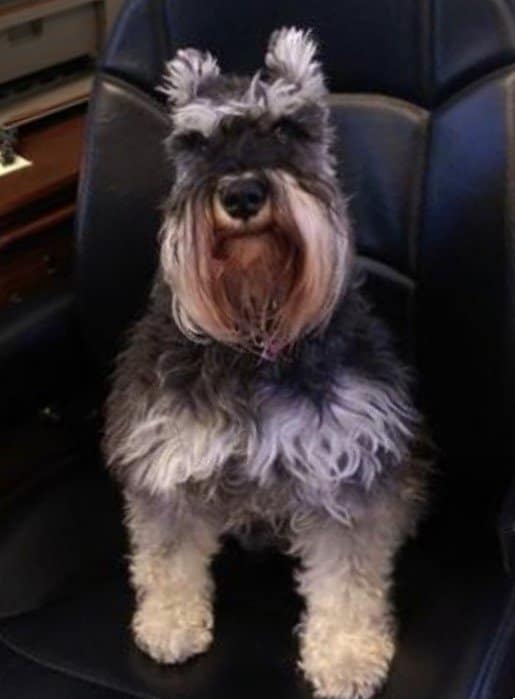
In Memoriam
It’s a Josh von Puppydeaux
October 26, 2011-April 12, 2025
Josh, a Miniature Schnauzer, worked with me in sessions for more than a decade. He brought hope, healing, and comfort on hard days to people of all ages. Outside of work, Josh loved nothing more than spending time with his family, no matter where they were. Josh was a good dog, a faithful friend, and a dependable coworker. He is, and will always be, missed.